

Welcome to our latest PeeringDB update. While we publish release notes with every update and highlight new features and bug fixes on social media, these reports take a broader look at recent platform developments.
You can find our previous half-yearly reports here, here, here, and here.
Feature updates
Advanced Search enhancements
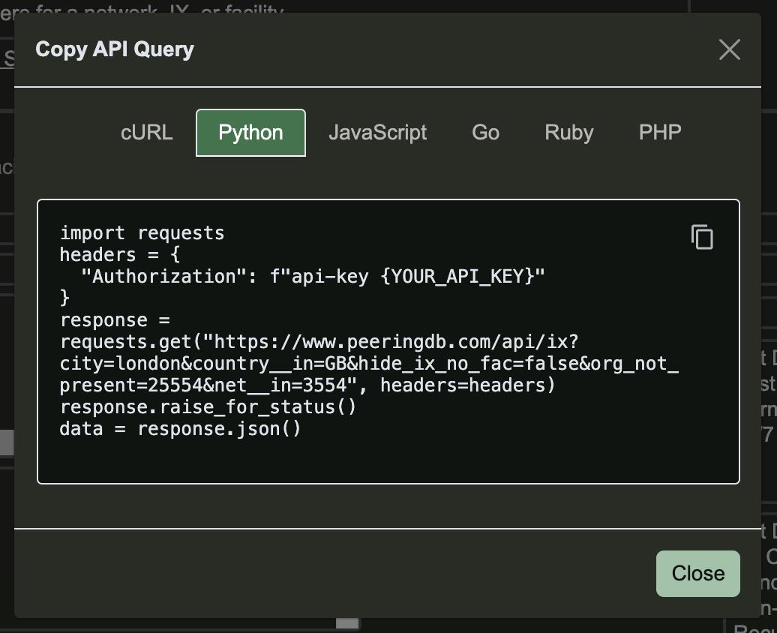
As promised in our last update, we’ve expanded the ‘Copy API Query’ feature to Advanced Search.
Users can now build a search through the web interface and instantly generate an equivalent API query in multiple formats, including curl and several popular scripting languages. This makes it easier to move between manual exploration and automation workflows.
Interactive facility maps
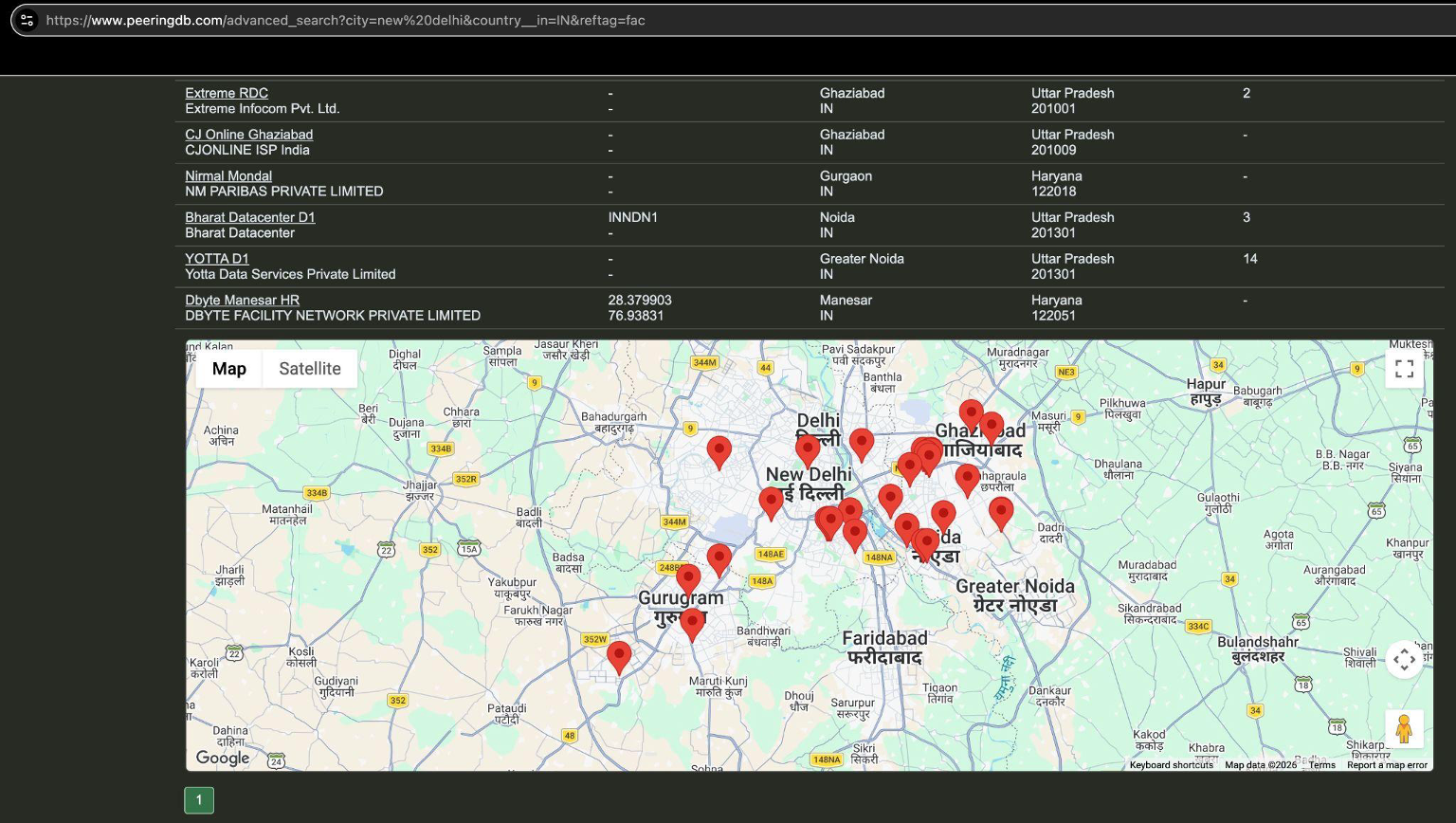
We’ve also introduced an optional in-page map view for Advanced Search.
Enabled through user profile settings, the map provides a visual overview of facility locations within a city, complementing the existing table-based results and making it easier to understand local interconnection ecosystems at a glance.
For users who need broader geographic analysis, the full PeeringDB facility dataset remains available as a downloadable KMZ file for use in GIS platforms and mapping applications.
Operational improvements
Streamlined software releases
In August, we tested a revised deployment process by removing the public beta stage and proceeding directly from internal testing to production deployment.
The trial followed community feedback that the existing beta process no longer provided significant value. As the August release generated no issues or concerns, we’ve adopted this approach as our standard release process.
For larger changes, particularly those affecting the user interface or API behaviour, we will continue to use public beta testing where appropriate.
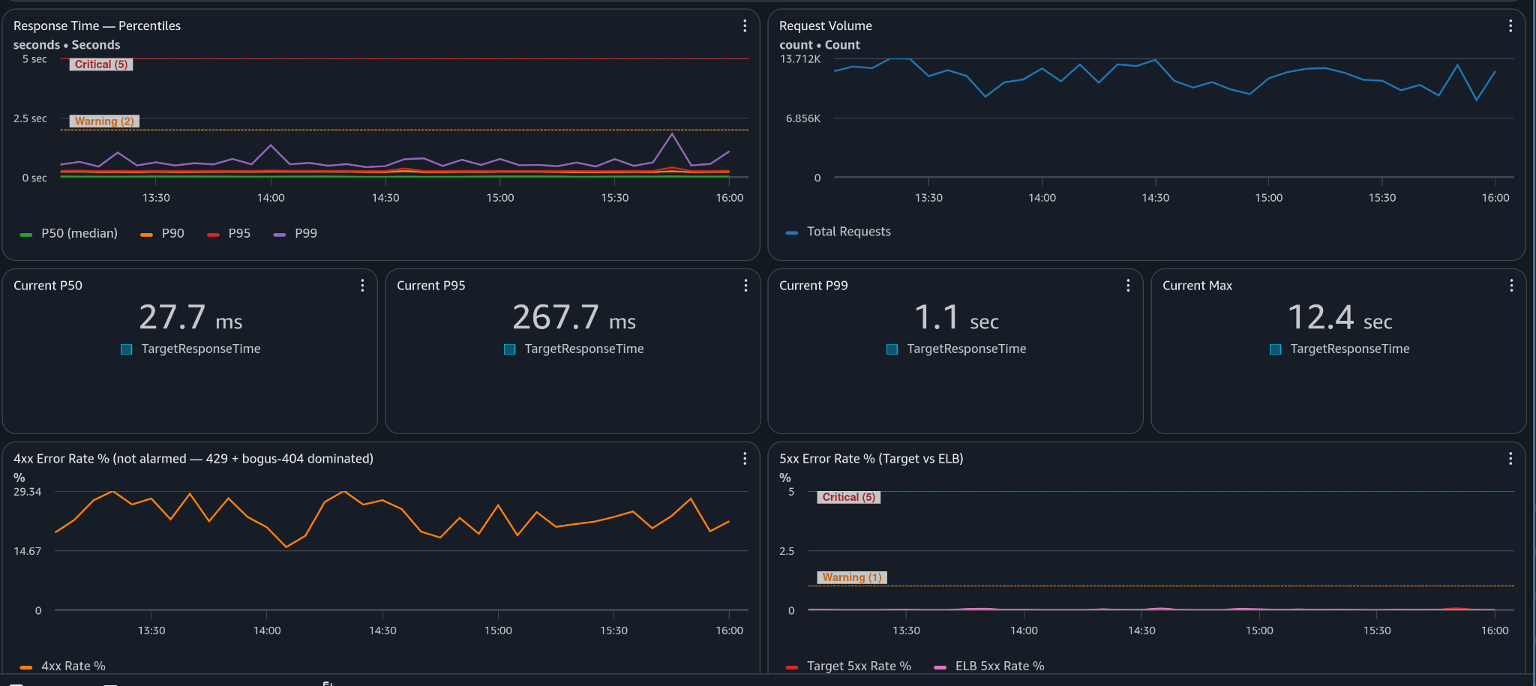
New operations dashboard
We’ve also completed redevelopment of our internal operations dashboard.
Access will be rolled out to PeeringDB volunteers in September, with plans to make the dashboard publicly available later this year.
Data quality improvements
More accurate AS-SET naming
Following community feedback from James Bensley, we’ve updated how AS-SET names are displayed throughout PeeringDB to improve clarity and remove ambiguity.
AS-SET names now include their originating IRR where known. For example, AS4608:AS-APNIC will be displayed as APNIC::AS4608:AS-APNIC.
Where an appropriate IRR cannot be determined automatically, we’re contacting network operators directly to confirm the correct information. We’ve also introduced a new editor to help users enter AS-SET information consistently.
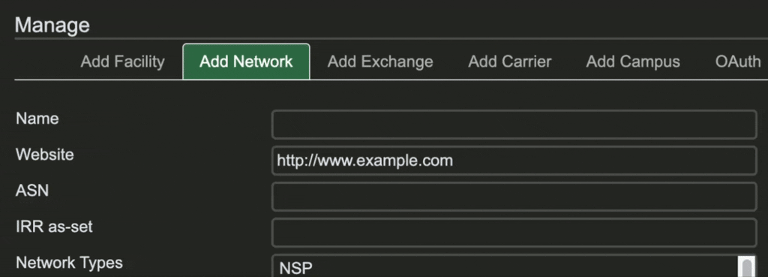
Additional refinements are planned over the coming months, including warnings when an AS-SET name is already in use elsewhere in PeeringDB.
Looking ahead
We’re continuing to expand the metadata values available within PeeringDB. From next month, you’ll be able to signal the date on which you’re joining or leaving an exchange, your MTU, and more.
We’ve published a discussion document for a new PeeringDB API. The two key drivers are:
- To let us separate the read and write parts of our architecture, which will let us place PeeringDB instances in many places.
- To enable some more efficient queries. For instance, ‘a network with its exchange presences, an exchange with its members, or a facility with its occupants.’
If you or a colleague use our API, please read the draft and subscribe to the API v3 discussion list. We want your input so we can refine the design before implementing it.
We’re also looking at how we can let users know if a network’s published maximum prefix count is smaller than the observed number of prefixes.
Most of our users are human. But we’ve noticed a lot of automated searches by AI systems. To help these users make efficient use of PeeringDB, we’ll set up an MCP server and publish an Agent Skills directory in peeringdb/peeringdb.
While we’re exploring ways to support AI-powered workflows, we’re also looking at how we can improve PeeringDB’s own comparison tools. We already have several enhancements in mind, and we’d like your input. Please leave a comment on the issue if you’d like to see capabilities such as:
- Given two IXes, show the networks common to both.
- Given two facilities, show the networks common to both.
- Given an ASN and a location, show the nearest IX where another specified ASN is present.
If you have ideas to improve PeeringDB, you can post them on our low-traffic mailing lists or open an issue on GitHub. For data quality issues, please contact us at support@peeringdb.com.
PeeringDB is a freely available, user-maintained database of networks and the go-to location for interconnection data. The database facilitates the global interconnection of networks at Internet Exchange Points, data centres, and other interconnection facilities, and is the first stop in making interconnection decisions.
Leo Vegoda is PeeringDB’s Product Manager.
The views expressed by the authors of this blog are their own and do not necessarily reflect the views of APNIC. Please note a Code of Conduct applies to this blog.