

The recent APNIC National Internet Registry Special Interest Group (NIR SIG) session at APNIC 61 in Jakarta brought together all seven NIRs in the Asia Pacific region, along with APNIC Secretariat representatives, to share operational updates and discuss the future direction of NIR coordination.
Chaired by Oanh Nguyen (VNNIC) and co-chaired by Zhen Yu (CNNIC), the session focused on three areas: NIR updates, a presentation from APNIC on new data tools, and a review of the NIR SIG Charter considering evolving coordination needs.
Membership growth and resource trends
Across the region, NIRs reported continued membership growth and steady resource delegation activity.
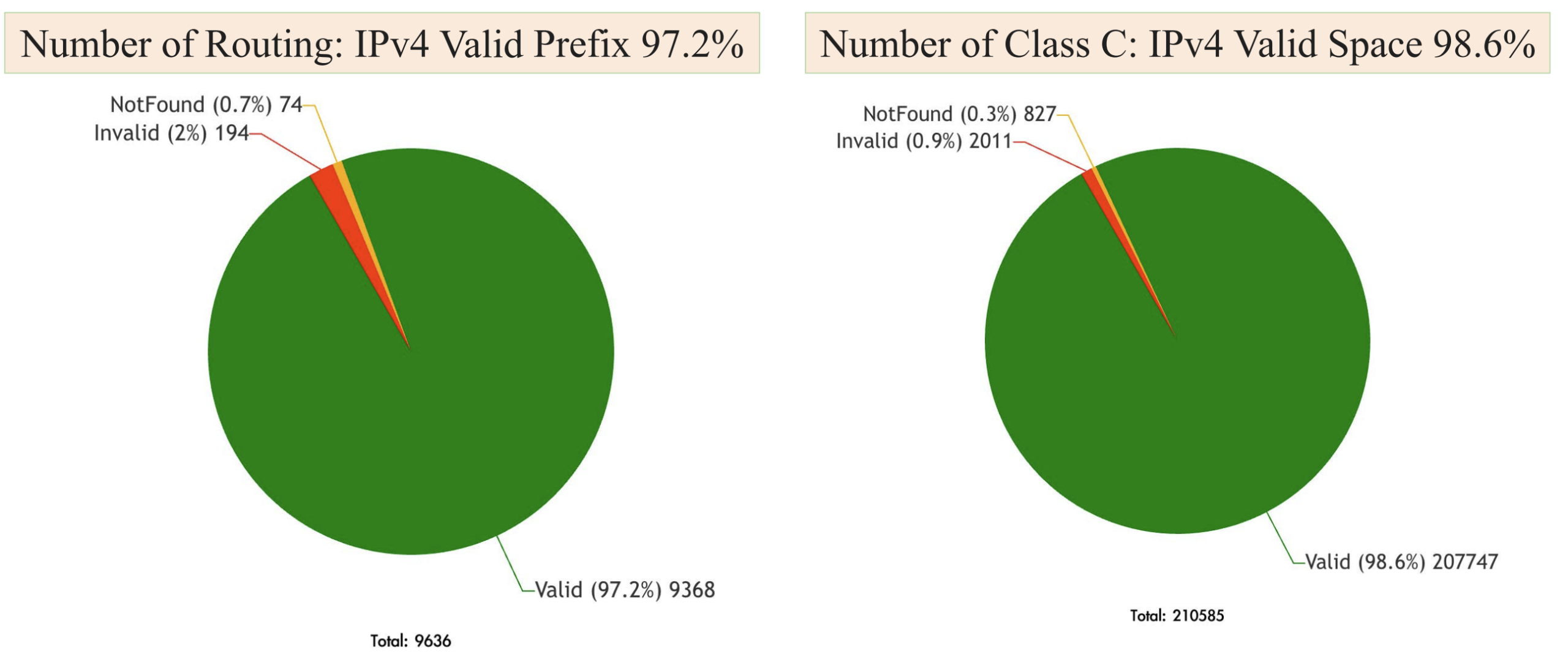
TWNIC reported 336 members, with 37 new members added in 2025. Taiwan’s IPv6 user availability has increased significantly over the past decade, reaching 61.36% in early 2026. TWNIC also reported very high RPKI validity rates, with more than 97% of IPv4 and 98% of IPv6 routing prefixes considered valid (Figure 1), and a strong abuse contact validation regime achieving full annual compliance.
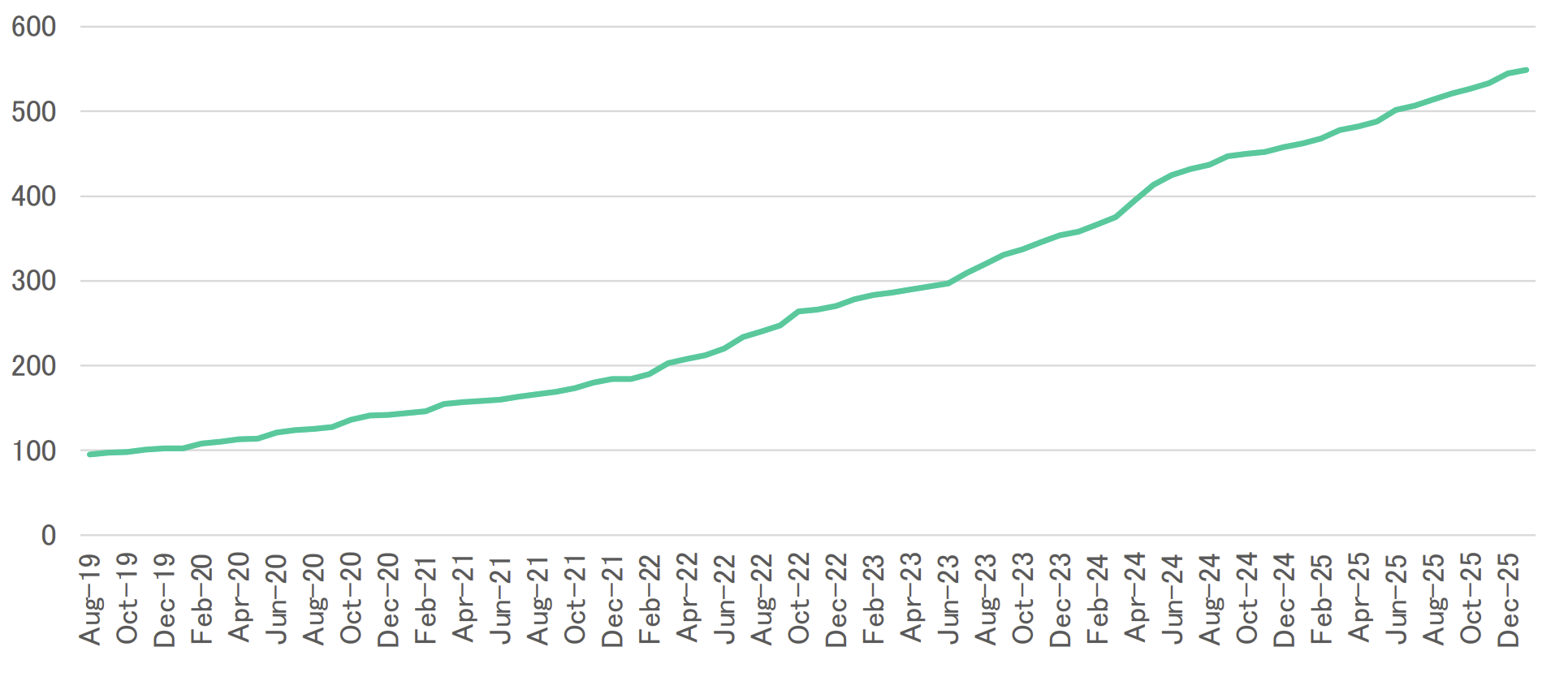
JPNIC reported 518 IP members and approximately 300 legacy resource holders. IPv6 allocations continue to grow gradually, with 5,686 /32 blocks allocated (Figure 2). JPNIC highlighted active community engagement through events such as Internet Week and collaboration with JANOG, as well as RPKI adoption growth over the past year. JPNIC reported that Japan’s 549 Local Internet Registries (LIRs) have increased ROA adoption by 17% over the past year, with 453 of them creating ROAs (Figure 2).
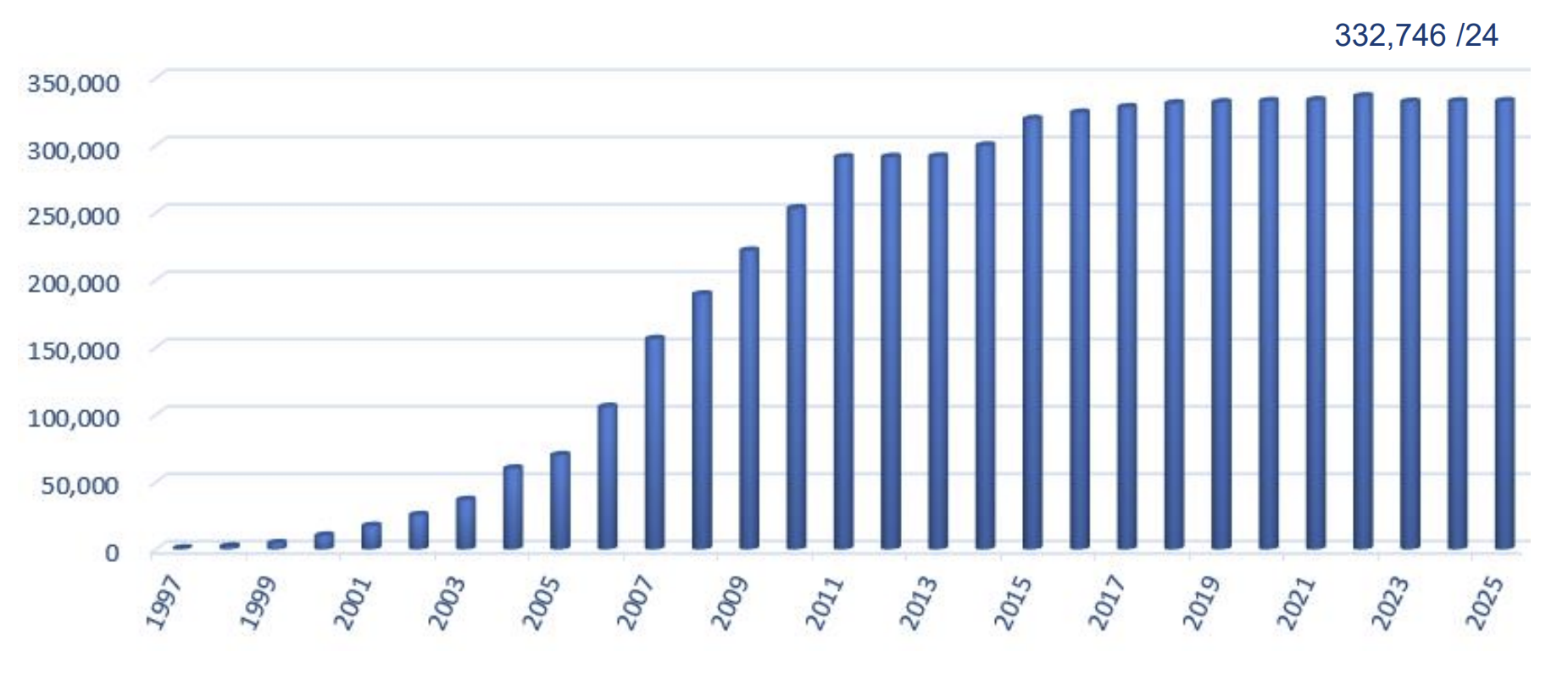
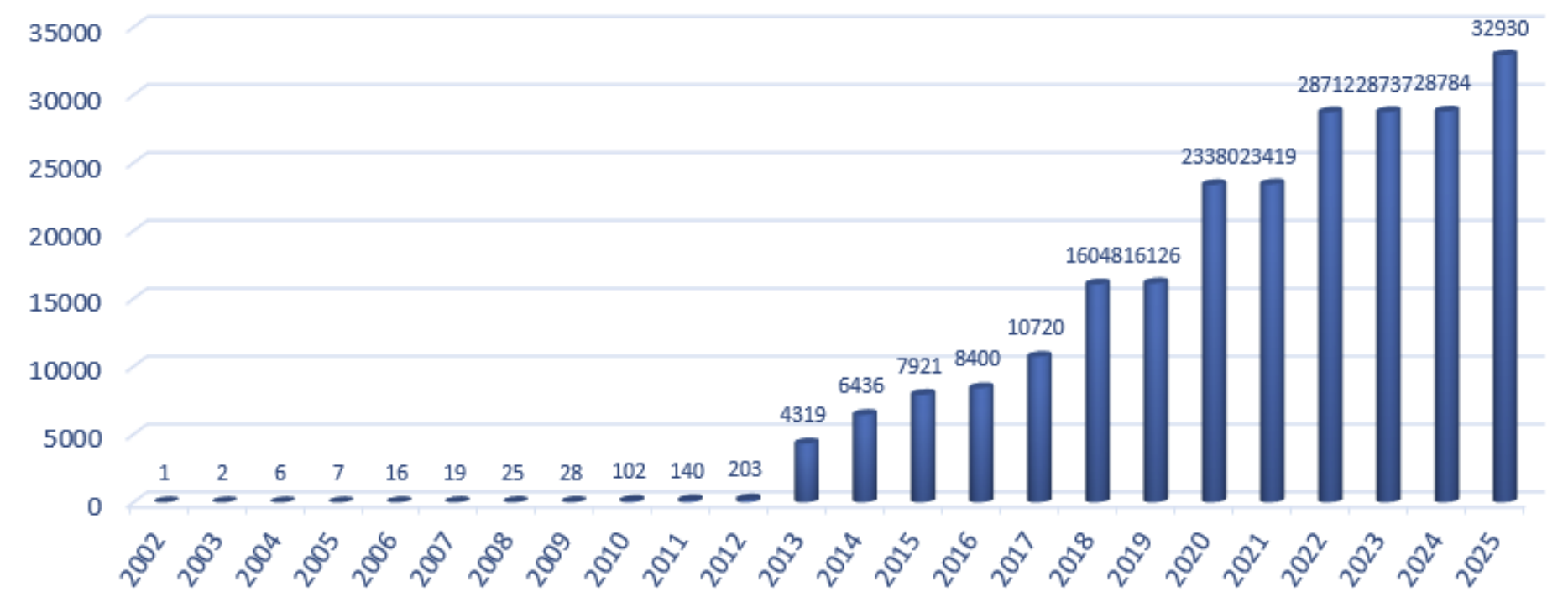
CNNIC reported 1,000 members across a broad range of industries. By the end of 2025, CNNIC had allocated approximately 332,000 /24 IPv4 blocks and more than 32,000 /32 IPv6 blocks, with around 60% of members holding IPv6 resources. More than 1,200 Autonomous System Numbers (ASNs) have been issued.
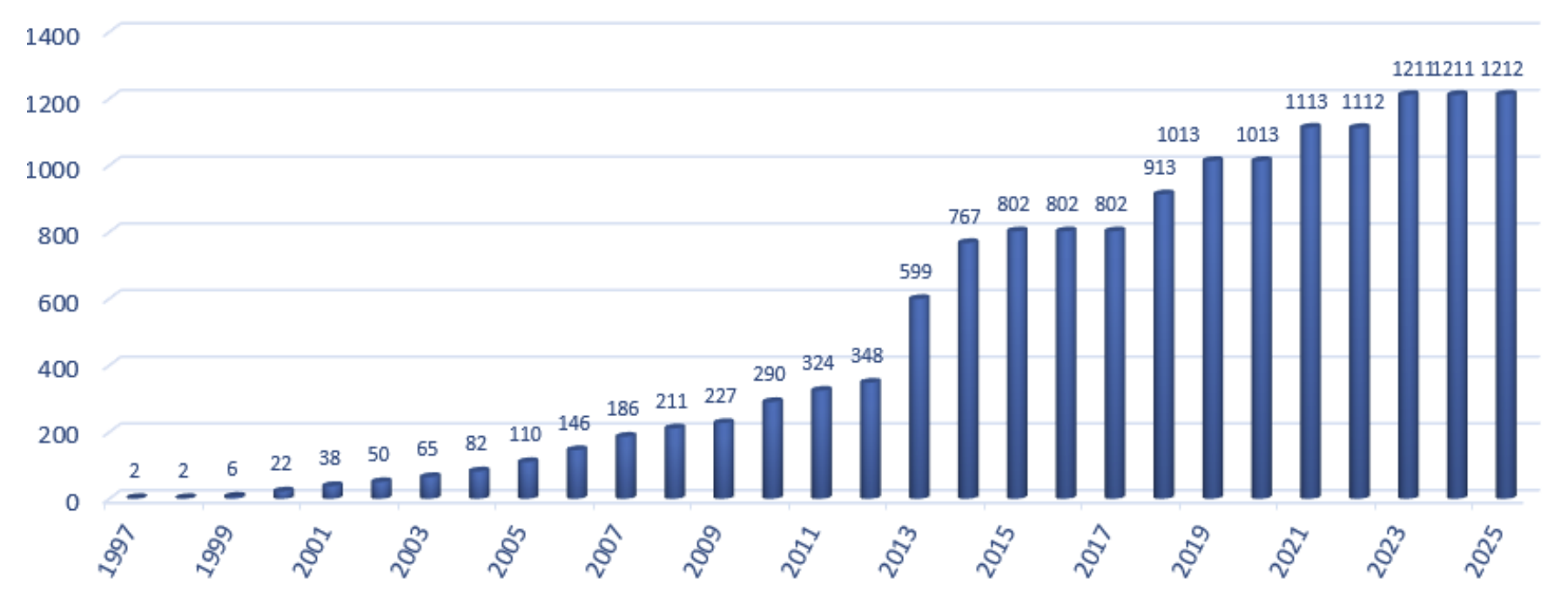
VNNIC reported more than 1,000 members and outlined its broader operational scope, including management of the .vn ccTLD and Viet Nam Internet Exchange services. Viet Nam’s IPv6 usage has reached approximately 65%, and a national IPv6-only roadmap is underway with a 2030 target.
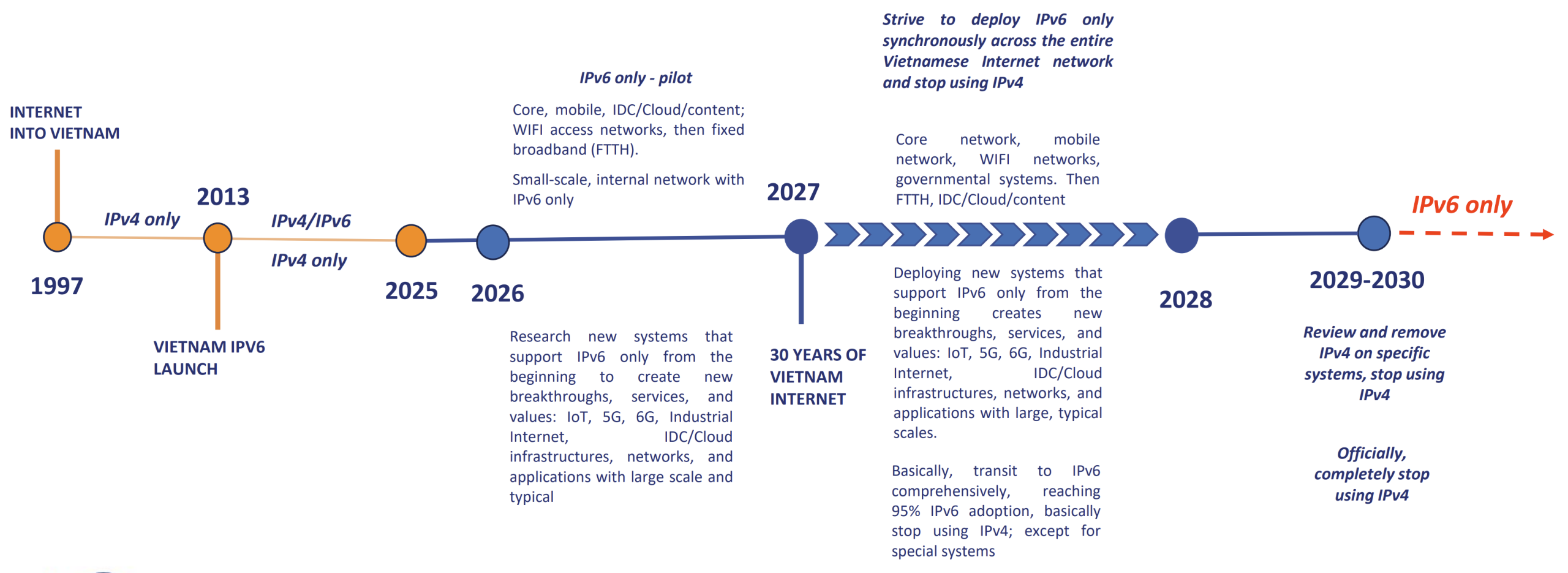
IDNIC-APJII now serves more than 5,000 members, including over 1,000 ISPs. Indonesia’s IPv6 growth has accelerated since 2020, driven by mobile operator adoption and government regulatory requirements. IDNIC discussed their recent IPv6 growth (Figure 7) and their IPv6 Roadmap. They also reported strong ROA coverage (around 89% for IPv4) and plans for expanded training and outreach in 2026.
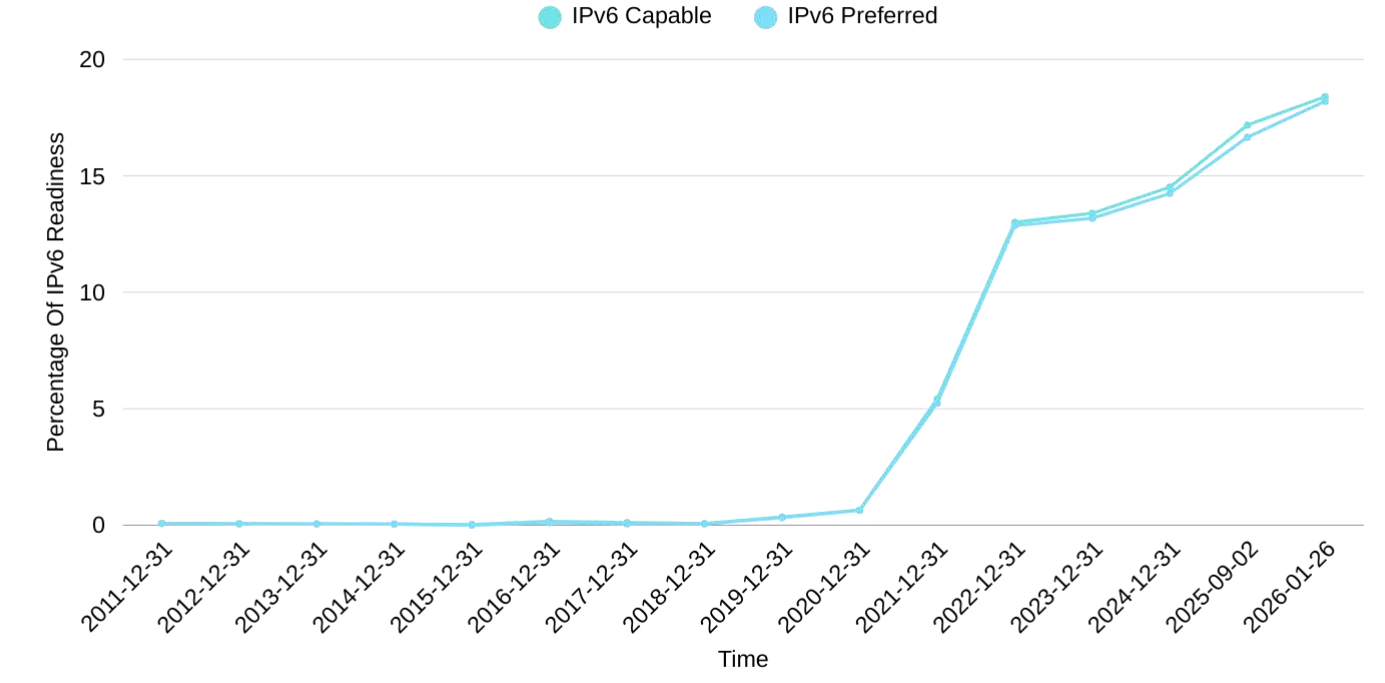
NIXI (through IRINN) reported 4,649 affiliates as of January 2026, representing 64% growth over six years. IPv4 allocations have flattened while IPv6 increased substantially since 2017 – 2018 (Figure 8), and India’s IPv6 adoption now stands at approximately 77.6% according to APNIC Labs. NIXI also highlighted its public DNS service and a growing Internet governance internship and capacity-building program.
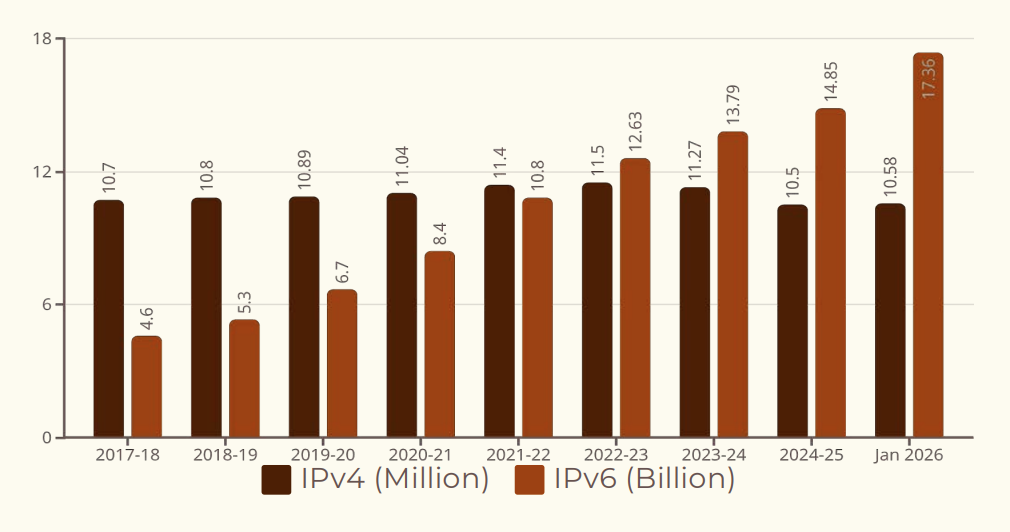
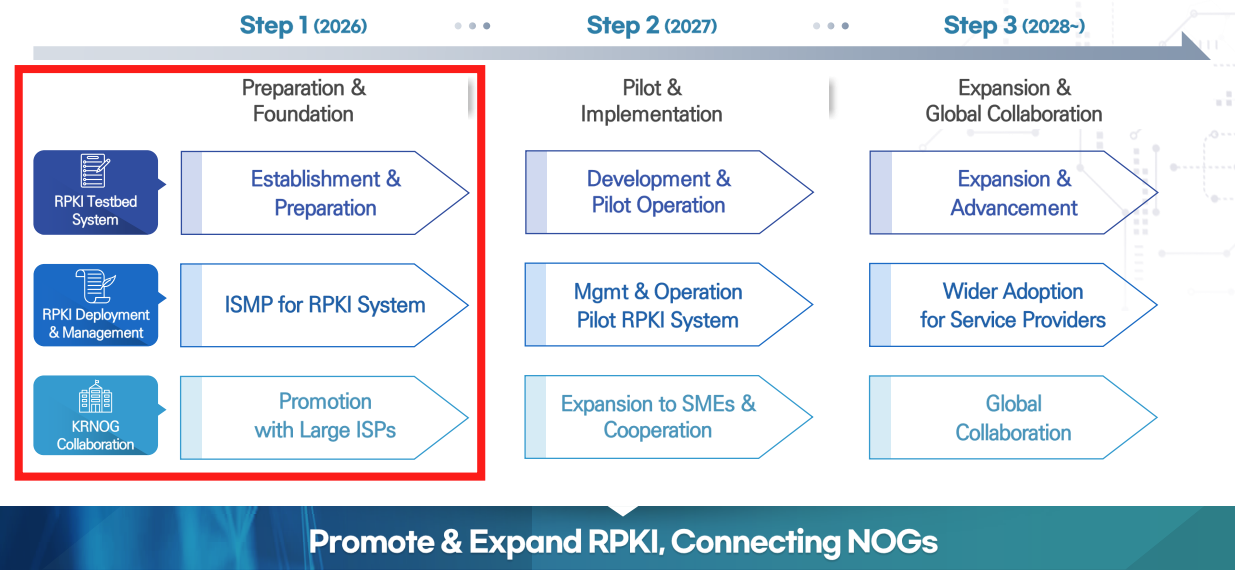
KISA, operating as KRNIC, reported 1,093 members. While IPv6 allocations continue steadily, RPKI adoption remains low in Korea (around 2% of IPv4 space covered by ROAs). KRNIC has therefore developed a structured RPKI roadmap (Figure 9), including a national RPKI testbed environment that allows ISPs to simulate routing incidents such as BGP hijacks before full deployment. A phased rollout of production RPKI services is planned through 2027.
National approaches to IPv6 and routing security
The updates reflected differing national contexts, but common priorities.
CNNIC reported large-scale IPv6 deployment, with 869 million IPv6 users by the end of 2025, accounting for 77.4% of total Internet users. Mobile IPv6 traffic has surpassed 70%, and major cloud, CDN, and DNS platforms are fully IPv6-enabled. CNNIC also convened a national RPKI and Routing Security Forum and released an RPKI deployment guide in collaboration with research institutions and operators.
VNNIC and IDNIC both highlighted the role of government regulation in accelerating IPv6 and RPKI uptake. In Indonesia, regulatory mandates for electronic system providers and CDN operators have been key drivers of IPv6 adoption. In Viet Nam, new ministerial directives support RPKI deployment and IPv6-only transition planning.
TWNIC and JPNIC emphasized community engagement, training, and operational compliance frameworks, while Korea’s focus is currently on awareness building and infrastructure preparation for broader RPKI adoption.
NIXI reported strong IPv6 usage at the access level, alongside continued efforts to increase enterprise and government deployment.
Visualizing NIR data with REx
APNIC’s Information Products team introduced enhancements to the Resource Explorer (REx), a public tool for visualizing Internet number resource delegations and measurements. New functionality allows filtering by registry, including individual NIRs, and comparing delegation trends and metrics such as IPv6 deployment and RPKI coverage across economies.
The session also demonstrated a new resource information page (currently in beta), providing holder details, transfer history, routing status, and ROA matching information for specific prefixes and ASNs.
Reviewing the NIR SIG Charter
The final part of the session focused on reviewing the NIR SIG Charter. Proposed draft language aimed to broaden the scope beyond cooperation among NIRs and APNIC to explicitly include networking and experience sharing among NIR members.
Participants generally supported increased engagement with NIR members but raised questions about the clarity of scope and avoiding overlap with the Policy SIG. Several speakers suggested deeper discussion via the mailing list, particularly in light of the ongoing ICP-2 review and its implications for coordination between APNIC and NIRs.
Suggestions included holding virtual NIR SIG sessions between meetings and exploring ways to increase NIR member participation at APNIC conferences.
The discussion concluded with agreement to continue refining the draft charter text ahead of the next APNIC meeting.
A region aligned on transition and coordination
While national circumstances differ, the updates at APRICOT 2026 showed clear regional alignment on three priorities: Advancing IPv6 deployment, strengthening routing security through RPKI, and improving coordination within the NIR system.
The session also highlighted a shared recognition that governance and coordination frameworks may need to evolve alongside technical progress — particularly as the ICP-2 review proceeds.
All seven NIRs participated in the session, reflecting an active and collaborative NIR community across the Asia Pacific region.
Watch the APRICOT 2026/APNIC 61 NIR SIG session in full:
The views expressed by the authors of this blog are their own and do not necessarily reflect the views of APNIC. Please note a Code of Conduct applies to this blog.